



Too many people think of web design and SEO (search engine optimization) as entirely separate endeavors. In reality, the two directly impact one another. How you design a site influences its SEO, and effective SEO often requires a good look at your site’s setup.
In the past, when web admins started figuring out how to rank their pages highly on Google’s search results, many started stuffing keywords onto pages like sardines. That was, after all, the main thing Google and other search engines looked for. Over time, though, that has dramatically changed.
Now, Google has identified more than 200 factors it considers when ranking web pages. This evolution has essentially forced SEO and web design to be considered simultaneously when someone is building a website. But never fear – we have the expert insight your site needs to come out on top. Below are some tricks of the web design SEO trade you can use to ensure your target audience finds your site.
Maximize the User Experience
Web design is, believe it or not, all about the users who visit your website. Good design has always been important, but Google now gives more weight to the user experience when ranking web pages on its search results. That means effective web design is more crucial than ever.
Below are some upgrades to the user experience that may help your website get onto that coveted front search engine result page.
Make Your Website Mobile-Friendly
More than half of internet usage these days is done via mobile devices, and that percentage is only increasing. Ensuring your site is optimized for mobile visitors should be one of the top priorities of any SEO web design service.
If you have experienced visiting a non-mobile-optimized site from your smartphone before, you’ll know that few things are more annoying than frequently zooming in and out as you navigate its various pages.
Creating your website for the smallest device possible in the first place can make it easy to translate essential items of your website into wider-screen versions. Placing an initial priority on creating a well-performing mobile site can save you plenty of time and trouble in the long run.
In other words, start small with your design. Ensure your choices work on mobile before you worry about larger formats. Since the smaller mobile versions of websites are so restrictive, pushing things out into larger display devices is often fairly easy.
The Three-Second Rule
The internet has significantly altered the average person’s capacity for patience. Almost half of all mobile internet users will abandon a click if the page takes more than three seconds to load. Those few seconds can leave a lot of money on the table for your business.
Several factors impact site speed, so it’s often wise to connect with a web developer to better understand how to improve your specific website. For SEO purposes, there are a few metrics to which Google pays extra attention.
- First Contentful Paint (FCP): How quickly a browser loads meaningful content. Sites with heavy CSS or JavaScript often suffer slower FCP times.
- Google Crawler Indexing: Google prioritizes fast-loading pages when crawling and indexing content.
Under-the-Hood Tune-Ups
Once you’ve ensured your site’s users won’t be getting headaches when they visit your site, it’s time to get a little more technical.
SEO in web design does need to consider more aspects of a website than just user experience. You’ll also need to make sure you give search engines and the AI they use plenty of information about what your site has to offer.
Tune Up Your Title Tags
Title tags indicate to Google and other search engines which keywords you’re looking to feature on any website page. One of the most common errors we see is title tags lacking real intent.
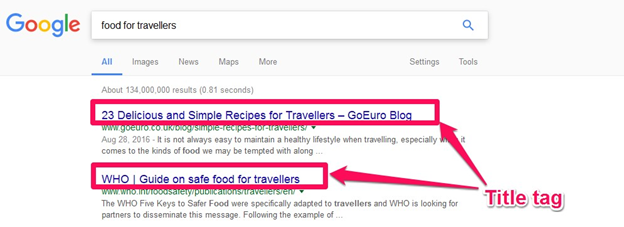
To describe a good title tag, consider a Colorado business specializing in auto parts. A weak title may read “Home,” whereas a stronger title would be “Specialty Auto Parts – Colorado,” which reflects real search intent.
Map Out Keywords and Dedicate Pages to Each One
With SEO, it is often best to commit just a handful of keywords to one page. Too many keywords in one space can confuse readers and search engines alike. Instead of going for quantity on a single page, it’s better to create multiple focused pages.
This is where e-commerce sites excel—by creating individual pages for each product, they naturally target more keywords without cluttering their design.
For service-based businesses, listing every service on a single page limits ranking potential. Creating individual pages for each service opens up far more SEO opportunities.
Make the Site Map Make Sense
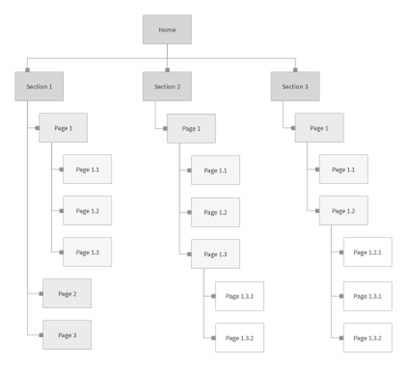
As you create and refine your site, ensure the structure and hierarchy are logical. A messy or missing sitemap can slow indexing and hurt discoverability.
A sitemap tells Google how to crawl your site efficiently, which is especially important for newer sites or frequently updated ones.
Don’t Forget to Make the Content Great
Even the best technical setup won’t help if your content doesn’t solve a problem or answer a question for users.
Using a clear hierarchy of headings (H1, H2, H3, etc.) helps search engines understand your content and improves readability for users.
Your site can look incredible and be technically perfect, but if visitors don’t find value, rankings and conversions will suffer.
The Bottom Line on Web Design with SEO
SEO-friendly web design is essential for businesses that want measurable returns from their online presence. Speed matters—but not at the expense of thoughtful structure and strategy.
Modern SEO requires web design and optimization to work together. Understanding how these elements intersect gives businesses a major competitive advantage.
Firestarter SEO has helped business owners achieve tangible results by aligning design, content, and optimization into a cohesive strategy. If you’re ready to rethink how SEO and web design work together, let’s talk.